Root Cellar
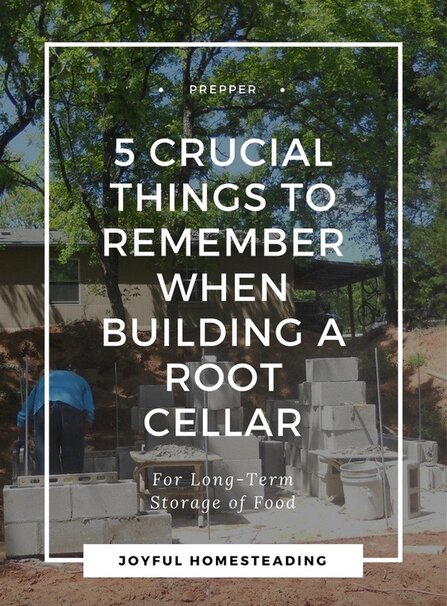
A root cellar is one of the ultimate tools of self-sufficiency. Once you learn basic gardening tools and start getting good-sized produce, building your own underground storehouse will help you keep that produce fresh for several months.
A cellar that is properly built will enable you to enjoy last fall's harvest of apples in April or May as well as keep your potatoes, carrots and other vegetables fresh during the long winter months.
How Does it Work?
The cold, moist air a properly built cellar provides helps keeps fruits and vegetables fresh longer, sometimes for months.

How Much Does it Cost?
That depends on where you live and how much the materials will cost in your area.
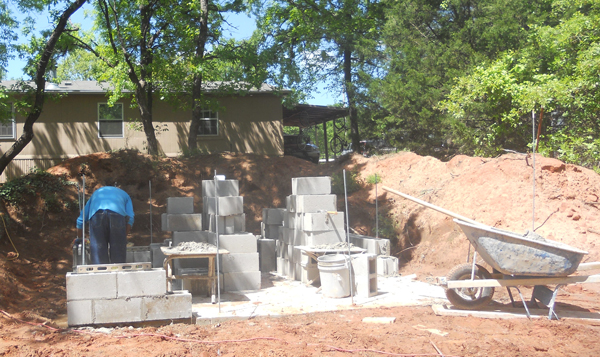
For an eight-foot by ten-foot cellar, you will need the services of a backhoe (or a sharp shovel and a strong back), about 550 concrete blocks, gravel, and cement.
Things to Consider
According to Mike and Nancy Bubel, authors of the excellent book, Root Cellaring, there are five crucial things when building a root cellar, including, but not limited to, temperature, humidity and proper ventilation.
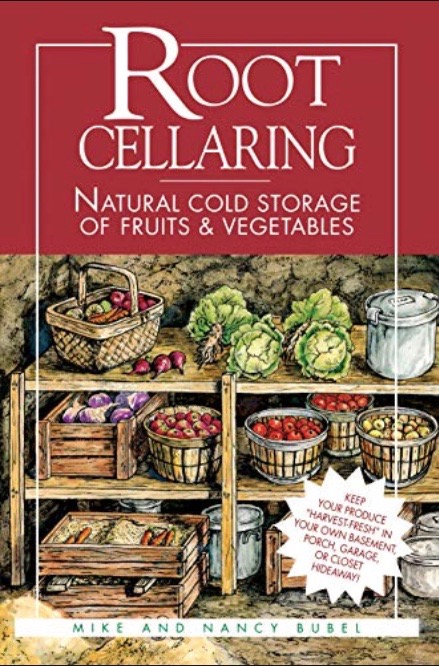
This book is a must-have if you plan on storing your fresh produce or building a root cellar.
The Right Temperature
To keep your vegetables fresh, you will need a place you can get cold. A root cellar is designed to borrow cold from the ground as well as from the cold night air. You will need a thermometer to keep track of the temperature, as well as an air duct that you can open on cold nights to borrow the cold and close on warmer days.
To keep your cellar cold, you can also add double doors to form an airlock. This will also help keep your cellar from becoming too cold during severe winter weather. For best storage, your cellar should be between 32 and 40 degrees Fahrenheit.
Proper Humidity
High humidity in your cellar will keep the root crops and leafy vegetables from shriveling. Make sure your cellar has dirt or gravel, rather than a concrete floor to help increase humidity. You can also pack your vegetables in sand or spread damp burlap bags over your produce, as well as set pans of water on the floor to preserve the moisture.
A hygrometer will help you measure the humidity in your cellar. The best humidity is between 90 and 95 percent. And while you want your root cellar to be humid, you don't want water to get on your vegetables, or they'll rot.
To cut back on the possibility of condensation, keep your root cellar smooth. Don't put beams on your ceiling because they will trap the warm air and increase the chances of condensation.
Good Ventilation
Ventilation can both bring in the cool night air and remove the warm air along with excess humidity. It also helps remove vegetable odors and the ethylene gas given off by stored fruits. For best circulation, have your cool air intake coming in low to the floor, and your warm air outtake vent up high and on the opposite side of the room. Screen the exterior openings to keep rodents out.
Make sure your storage shelves in your root cellar don't touch the walls. Having space between your shelves and the wall will allow the cooler air to circulate around your food, keeping it cooler.
A Convenient Spot
If you live in an area where the winters are harsh, you might want to have your cellar under your house so you can get to your vegetables without going outside. Make it fairly easy to get into. Also provide a source of artificial light, such as a light bulb that you can turn off when you're done. Too much light will deteriorate your vegetables and encourage sprouting.
A Root Cellar Needs Good Drainage
If you are building your cellar, the best choice will be a dirt floor with about three inches of gravel. In the center of the floor install a perforated drainage pipe to carry off any excess water.
Shelving
Make your shelves out of nontoxic material, such as wood that has not been treated. Pine boards will work, but be aware they will rot in the high humidity within 5-6 years. Oak or cedar are your best choices for making the shelves.
Storing Your Food
Store your food in either slatted crates or baskets. Crates will make better use of your space.
Related article: How to store your garden produce.
Or Consider a Poor Man's Root Cellar
If you can't afford a full-sized root cellar, you can make a poor man's root cellar using a steel trash can. Drill holes in the bottom of the steel can for drainage. Then dig a hole that is the depth of the can. Place gravel in the bottom of the can. Use it to store root vegetables, such as carrots. Watch the following video for more information.


Recent Articles


-
What Does Electrotherapy Do?
Sep 08, 22 04:05 PM
 What does electrotherapy do? Look at it as a safer way to manage either temporary or chronic pain.
 -
Why Pine Needle Tea Is a Must Have in Your Preparedness Pantry
Sep 01, 22 06:02 PM
 Pine needle tea is a must have in your preparedness pantry. It's the best way to eliminate any harmful spike proteins you've been exposed to.
 -
Is Sourdough Gluten Free?
Aug 31, 22 02:55 PM
 Is sourdough gluten free? The short answer is no, if you have a several allergy to wheat or gluten, but it is more digestible.

New! Comments
Have your say about what you just read! Leave me a comment in the box below.