Great tips on
homesteading,
frugal living,
and self reliance.
return to homepage

Recipes | Gardening | Preparation | Homemade | Chickens | Beekeeping | The Bartering Corner

Emergency Preparedness Response

Emergency preparedness response includes having an emergency supply kit on hand, a must for every family, and especially for the self-reliant homesteader. Ice storms, earthquakes, hurricanes, blackouts or even terrorist attacks are likely to happen to anyone at anytime.
And now with the threat of bioterrorism, the chances that you may have to flee your home at short notice are now even greater. If a dirty bomb goes off in your area, would you be able to get out at short notice with enough food and water to last everyone in your family until you are able either to return home or help reaches you?

According to Homeland Security, every family should know the proper emergency preparedness response is keeping an emergency supply kit near the door with enough food, water and supplies to last everyone in your family for at least three days. More importantly, these supplies should be assembled and packed before there is an emergency so when needed, you can grab your gear and leave your home within five minutes.

Not only is the proper emergency preparedness response is to have an emergency supply kit with sufficient food and water (at least one gallon per family member per day), but you should also have a source of light in case there is no power, a blanket for warmth, matches and a radio. You should have a system worked out and practice it regularly so you can shut down your home system in ten minutes.
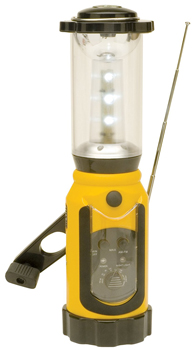
A hand-crank lantern with radio is not only handy in an emergency, it could also be life-saving.


Come up with a family meeting place, and make certain everyone in your family knows about it. Have drills on a monthly basis.

Learn where the shut-off valve is for your utilities before an emergency and then keep a wrench or pliers handy where you can locate them quickly. Such tools are relatively inexpensive to buy and priceless in an emergency, so keep one in your toolbox and the other in your emergency pack so you'll always have it.

Ideally, your emergency preparedness response should be to be able to close up your house and be out the door with sufficient supplies in your emergency supply kit within ten minutes of learning of the emergency.

Emergency Preparedness Response and
Your Emergency Supply Kit

Here's a partial list of what you should have on hand. Adapt your emergency supply kit to suit your family and your particular needs. You will need to keep all of your supplies in a backpack. That way you can carry your pack and still keep your hands free if necessary.

Water

You will need one gallon of water per person per day for at least three days, for both drinking and for cleanliness.

Since water itself is so hard to carry (although you can keep a water jug in the trunk of your car), you should have a good emergency water filter system in your emergency preparedness response kit.


MRE full meals are good to have on hand when you need to leave your home quickly.


Food

You will also need a three-day supply of non-perishable food. MREs - short for Meal, Ready to Eat - are self-contained meals in lightweight packaging. They were created by the U.S. Military for service members in combat. They are high in calories and energy, are designed not to make your thirsty and supply you with 1,200 calories per package - enough to last you through the day. Get the ones that taste like a granola bar so your children will want to eat them.

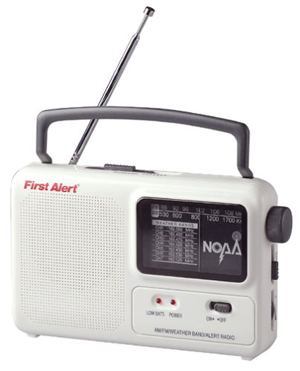
A NOAA Weather Radio is a crucial addition to your emergency kit.


Communication Tools

You will also need a radio as well as a NOAA Weather Radio with sufficient batteries for both in your emergency supply kit. If you can get a hand crank radio that would be even better.


Also include a whistle so you can signal for help.
An emergency medical kit should be small enough to fit in your kit yet have plenty of supplies.


First Aid Supplies

Next, you will need a first aid kit with sterile dressings, soap and antibiotic towelettes, antibiotic ointment, burn ointment, adhesive bandages, eye wash solution, a thermometer - in case of a biological attack, and any prescription medications or supplies you would normally need.

Lung Protection

A biological terrorist attack could leave the air contaminated, so include enough dust masks for every member of your family in your emergency supply kit. In addition, include plastic sheeting, scissors and duct-tape so you can make a clean-air shelter, if necessary.

Emergency Preparedness Response and
Other Things You Need

You should also keep Moist towelettes, garbage bags and plastic ties for personal sanitation in your emergency supply kit. And finally, if you have canned goods, you should keep a can opener in your kit and maps of the area you live in in your emergency supply kit.
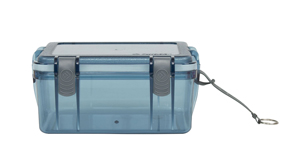
A watertight box will keep your important documents safe in an emergency.

Emergency Preparedness Response and
More Things to Consider

If you are on a prescription, be sure to include that, with an extra pair of glasses in your emergency supply kit. If you have a baby, keep extra formula and diapers on hand. If you have a pet, you will want to have pet food and extra water.

You will also need important documents, such as insurance, identification and bank account records. Keep these in a waterproof container.
Keep sleeping bags or warm blankets in the trunk of your car along with a change of clothing for each family member along with sturdy shoes.

Keep a bottle of chlorine bleach in your trunk, along with a medicine dropper. Dilute one part of the bleach to nine parts water, and you have a disinfectant. It can also be used to treat water in an emergency. Put 16 drops of regular household liquid bleach per gallon of water. If you go this route, do not use scented bleach, color-safe bleach or bleaches with added cleaners.


A travel game kit will keep your spirits up in an emergency.
Keep extra feminine supplies on hand. Also have matches in a waterproof container or waterproof matches. Paper cups, paper plates, plastic utensils and paper towels are also a boon to have on hand.

Keep Boredom at Bay

Also remember that boredom is a factor you will have to deal with, especially if you have children. To keep them occupied while you spend time in a shelter waiting out a storm or other emergency, keep books, games, puzzles, paper and pencils on hand.


More Helpful Information on Being Prepared


Learn to be prepared for any disaster, either natural or manmade with this helpful book.
Be prepared to survive any type of emergency. Here's how.

Every home should have an Emergency Supply Kit on hand as an important way of being prepared. Here's how to build one.

You don't want to be unprepared in an emergency, but what if disaster struck today? Here are some tips on Fast Emergency Preparation

If you are thinking about being prepared by buying wheat in bulk, then you're likely looking for recipes. Here's a Delicious, Wholesome Soup Recipe Using Cooked Wheat Berries

You don't have to grind your wheat berries to be able to enjoy them. You can cook them as a cereal as well. Here's how.

Have you just bought a lot of wheat in bulk? Proper storage will ensure your wheat lasts for years. Here are some Methods for Storing Bulk Grain

What if you haven't bought wheat yet, but want to? Where do you begin? Here are some Tips on buying bulk grains

When thinking about emergency preparation, water is the essential first thing to think about. Here are some tips on storing water

Wheat isn't just for breads, but can be used to produce a healthy vegetable as well. Learn how to grow sprouts from wheat berries and other beans.

Do you have a drilled well on your property? You can get water from your well even when the power is out. Learn about the deep well hand pump.


Having storable food on hand is a great way of being prepared. Learn more.
Having people show up at your door is something to consider when preparing for an emergency. If a major global depression - or some other disaster - strikes, realize that there will be many who are not prepared. What will you do when they come knocking? Read more.

Dehydrated vegetables are a real winner both for being prepared for emergencies and for cutting food costs, providing you with nutritional food with a long shelf-life and fantastic taste. So why use these vegetables? Read more.

Do you have a plan for having a steady supply of drinkable water on hand should the power be off for months? Most people don't like to think about it, but a little preparation now could be invaluable later on in an emergency. Learn more.

Keeping lots of wheat on hand is one of the best ways of being prepared for any kind of emergency. Learn more.

How to survive a depression? We're either in the midst of the worst depression ever, or just a recession, depending on one's perspective, but all can agree that it's always best to be prepared for whatever crisis may come. So here are four tips on how to survive any economic catastrophe.

No matter where you live, it's always wise to prepare for an emergency. Here's how to get started.

Learning economical ways to grow and store root vegetables such as potatoes will help you survive the most difficult times. Learn how.

Stocking up on food is always a good idea, whether you're preparing for a large-scale disaster or the loss of a job. But certain foods are cheaper and better for you. Learn more.

Stocking up on food in case of either a personal disaster - such as losing a job - or a national one - such as runaway inflation or a depression - is a crucial form of preparedness, but only if the food benefits you and your family.
Read more.


Learn to can your own garden produce, and you save money and become prepared for anything. Learn more.
If you or someone in your family is dependent on prescription medications for optimal health or even survival, you'll need extra ways to prepare. Read more.

Once you have enough water and food stored, the next thing you should think about are other emergency supplies, such as batteries. But like food, batteries, must be used and rotated to ensure you always have a fresh supply on hand. Learn more.

In an emergency, a good water filtration system will ensure your family will have clean drinking water even if the power goes out for an extended period of time. With a good filtration system, you can capture rain water and filter it for clean drinking water. Read this article before you purchase your system.

If you live in a city or town that fluoridates the drinking water, one of the best investments you can make for your health is a water filter that removes the fluoride. Learn why.

Can bulk wheat seed be stored in an oxygen-free container and still be planted later? Read my answer by Find out here.

Store your own grains and beans and you can make your own healthy Ezekiel bread. Learn more.

An EMP bomb detonated in the atmosphere above where you live could throw you back into the early 19th century...or worse. Learn how to prepare by clicking here.

With the uncertainty of the dollar, the best thing all of us can do is to start producing food and other goods locally. Learn how.

If you're looking for an excellent source of storable protein, you can't go wrong with Quinoa. In addition to providing a complete protein, it also provides lots of valuable minerals and is the healthiest food around. Ready for some cooking tips? Click here.

Learning to grow and then dehydrate your own food is an excellent form of preparedness. Learn which dehydrator is right for you.

Purchasing and learning how to use a firearm is crucial for self-defence these days, especially if you live out in the country. Learn how to acquire and use a gun by clicking here.


New! Comments


Have your say about what you just read! Leave me a comment in the box below.


Return from Emergency Preparedness Response to the Home Page


Build Your Own Chicken Tractor!

subscribe to free ezine

You Can Build a Chicken Tractor Provides you with step-by-step instructions on how to build a chicken tractor and also provides helpful information on how to get free wood and how your chickens can pay for themselves.

Click Here learn more.

Search This Site:
Subscribe to my free ezine!
Successful Homesteading is a bi-weekly e-zine covering everything about self-reliance and the healthy, frugal life.
Imagine! Great tips on organic gardening, self reliance, frugal living and frugal recipes on a regular basis and sent straight to your ebox!
Click here to subscribe.


How I'm Earning an Income at Home with This Website

I was determined to stay at home, but also needed a little extra money to make ends meet. Then I learned about Site Build It!

When I started this website I had virtually no web building skills. Now I am earning a great part-time income, working from home and having the time of my life. You can too! Site Build It! has an easy to follow, step-by-step program that will show you how to build a successful website that brings in the traffic you need to get the income you want and start living the life you want to lead. Want to learn how? Click here.


Country Critters

Goats Chickens Beekeeping Cattle Pigs

All Things Frugal

Frugal Living Frugal Cooking Make It Yourself


Homestead Passions

Homesteading Tips Urban Self Reliance Off the Grid Homeschooling

Self Reliance

Natural Healing Home Business Being Prepared Organic Gardening Hydroponics Woodworking

Hyacinth our Nigerian dwarf goat
Enjoy This Site?
Then why not use the button below, to add us to your favorite bookmarking service?


[?] Subscribe To
This Site

XML RSS

Add to My Yahoo!

Add to Newsgator
Subscribe with Bloglines

Return to Top | Homestead Goats | Homestead Chickens | The Homestead Beekeeper | Frugal Living Tips
Frugal Healthy Recipes| Make It Yourself | Find Homesteaders | The Urban Homesteader | At Home Income
Off the Grid | Natural Healing | Home Business | Being Prepared | Organic Gardening |

Advertising Policy

Copyright | Disclaimer | Terms Of Use


This site is for your information only.

Copyright© 2011.