Great tips on
homesteading,
frugal living,
and self reliance.
return to homepage

Recipes | Gardening | Preparation | Homemade | Chickens | Beekeeping | The Bartering Corner

A Handmade Soap Recipe For Beginners

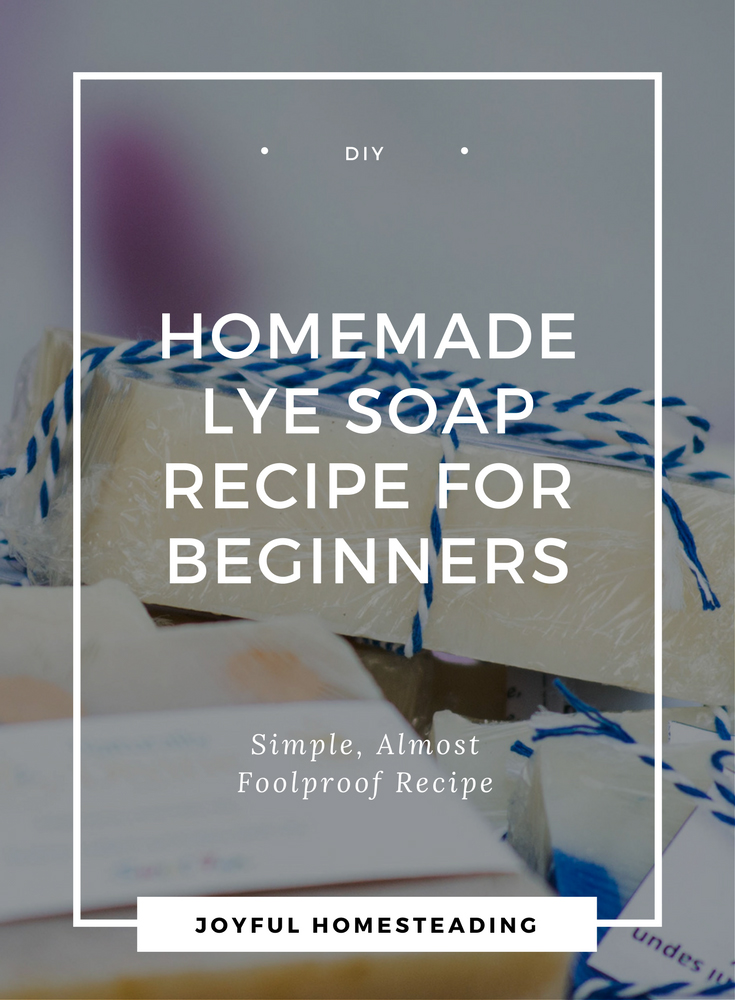
Handmade soap recipe is great for those with a homesteading heart who want to provide an effective, low-cost soap for their families. Handmade soap has been around for centuries. Nothing could be simpler - a combination of alkali and fat - and yet nothing could come in more complex forms, colors and shapes or provide us with such satisfaction and pleasure.
Soapmaking Then
In earlier times, when you couldn't buy lye from the grocery store for your handmade soap recipe, folks put ashes in a large wooden barrel that had a plugged hole at its base. They kept a thin layer of stones in the bottom of the barrel, piled ashes in the middle and then topped it off with straw. Then they set the barrel near a house or barn where it would collect the runoff from the roof when it rained. Once the ashes were completely soaked, they would remove the plug from the bottom of the barrel and drain off enough lye-water for a batch of soap.

To see whether the lye water was strong enough, they would dip a feather into the liquid. If the feather dissolved, the lye-water was sufficiently strong. Otherwise the water was poured back into the barrel to seep a while longer. This method did produce soap, but it was soft and it stunk. It wasn't until the invention of caustic soda in 1791 that soap-making really improved.
With the invention of sodium hydroxide, a modern form of lye, you can make a nice soap that smells great.

Soapmaking Now

Today making soap is a multi-billion dollar industry, but unfortunately, most of the soap produced today is made with synthetic ingredients and chemicals that aren't the best for your skin. It almost makes you want to go back to building a barrel and making your own - except for the smell, of course.

Fortunately, there are some great handmade soap recipes out there that not only get the job done, but also look great, feel nice and - yes - smell good, too. This is a great handmade soap recipe for beginners.

Handmade Soap Recipe For Beginners

If you've never made handmade soap before, you will want to start with a simple recipe. The ingredients in the following recipe couldn't be any simpler: Lye , water and lard. This is a basic soap good for both bathing and laundry. If you wish to add essential oils to your handmade soap, you can later mill this soap and add the oils then.

Try this simple recipe first, and then when you get the hang of this handmade soap recipe, try one of the trickier vegetable oil recipes.

About the Lard...

Don't use leftover grease from your bacon or try to recycle other used fats for this handmade soap recipe. It will make soap, but will stink. Instead, buy your lard from the supermarket, buy your lard online or render your own fat. Soap Ingredients

Where to Find Lye

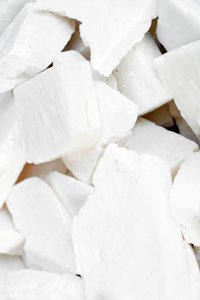
For each batch of soap, you will need 12 ounces of pure sodium hydroxide. This is no longer available in grocery stores. But you can buy it online. Read the label to make sure you have nothing but pure sodium hydroxide.

Some Words of Caution About Lye

Sodium hydroxide - or lye - is a caustic agent that can burn you and be harmful or fatal if swallowed. That means that if you have small children around, you shouldn't be making this handmade soap recipe.

Always wear rubber gloves and safety glasses when working with lye. The last thing you want is for the lye to splash onto your skin or into your eyes when making this handmade soap recipe. The fumes are toxic, so be careful not to breathe them in. Work in a well-ventilated area, preferably near an open window.

Buy a stainless steel pot and utensils specifically for soapmaking and never use them for food preparation. Lye mixed with fat does not turn completely into soap for 48 hours, so once you have made your handmade soap recipe be sure and clean all your utensils and countertops thoroughly to remove all traces of the mixture.

Handmade Soap Recipe
What You Will Need

Here are the items you will need:
  • A glass measuring cup 16 - ounce or greater
  • 2 spoons, either plastic or stainless steel
  • 1 2-quart stainless steel saucepan - use this to mix the lye
  • 1 large stainless steel pot - use this to melt the fat
  • 1 plastic spatula
  • 1 plastic ladle
  • 1 paring knife
  • 1 scale
  • Plastic wrap and newspaper - to cover your working area
  • glass candy thermometer - crucial for accurate temperature control
  • A mold - this can be as simple as a cardboard box lined with plastic
  • Spray-on corn oil, mineral oil or petroleum jelly

Never make this handmade soap recipe in aluminum containers. If you do, both the container and the soap will be ruined. Also, don't use a wooden spoon; as eventually the lye will eat away at the fibers in it.

If You Have Hard Water

If you use hard water in your handmade soap recipe, your soap will not lather as well. If you don?t have access to soft water, add one ounce of borax to your soap recipe, or save rainwater for your soap recipes.

Easy, Basic Handmade Soap Recipe

This recipe comes from the book, Milk-based soaps by Casey Makela, an excellent resource if you want to find a unique handmade soap recipe.
  • 6 pounds of rendered animal fat or lard
  • 4 ½ cups of cold, soft water - either rainwater or from a water softener
  • 12 ounces pure lye


Use soap dyes to make your soaps pretty.

Heat the Fat

Heat the fat in an 8-quart stainless steel pot on low heat until it has melted and has reached the temperature of 110 degrees Fahrenheit or 43 degree Celsius, using a glass thermometer to measure the temperature.

Prepare the Lye

While melting the fats, pour four and a half cups of soft water into the stainless steel saucepan. Carefully add the lye to the water, stirring gently with a plastic spoon. Be careful not to inhale the fumes. Set the mixture aside to cool to 85 degrees.

Mix 'Em Together

Make sure the fat is 110 degrees Fahrenheit, and the lye-water mixture is 85 degrees Fahrenheit. Then slowly pour the lye and water into the fat, stirring constantly. You want to pour the lye and water slowly into the fat. That keeps it from splashing and also helps it to mix better.

Continue stirring for at least 30 minutes to one hour. The mixture will begin to thicken and resemble a thin pudding. When your spoon feels like it can stand on its own and a few drops leave a pattern on the surface of the soap, pour the mixture into the mold. Set it aside in a draft-free area for 24 to 48 hours. It will take up to two days for the entire mixture to convert into soap. After 24 hours, check your soap. When you can easily make a dent in the soap by pressing firmly with your finger, the soap is ready to cut. Don't wait until your soap is too hard or it will be impossible to cut.

When your cut bars are hard enough, remove them from the mold and allow them to cure for six weeks.

More Great Make it Yourself Recipes


Learn to make heavenly scented perfumes for fun and profit with this resource.
Make your own fragrant bath salts at a fraction of the cost. Read more.

This recipe for lotion leaves your skin soft without feeling greasy. Find out about it here.

Ready to learn how to make your own soap? Try this great recipe! Read more.

Make your own bath powders and massage oils for luxurious gifts. Learn more Learn more.

Why you should be making your own cleaning products at home. Learn more.

Learn to make your own safe, environmentally friendly household cleaning products. Learn more.

Want to be truly self reliant? Learn to render fat for your own homemade soap. Learn more.

Make your own unique perfume. Learn more.


Learn to make all natural soaps in less than an hour with this helpful video.
Learn to make an excellent cleansing cream recipe that will nourish as well as clean your face. Learn more.

Glycerin soaps are great craft projects for the family and make wonderful gifts. Ready to make your own glycerin soaps? Learn more.

Learn to make a homemade balm that smells as delicious as it feels. Learn more.

Making your own shampoo is beneficial not only for cutting down on costs, but also cutting out many harmful chemicals. Learn more.

Olive oil infusions, made by flavoring extra virgin olive oil with dried herbs makes a great gift and could be a crafty business opportunity. Learn more.


New! Comments


Have your say about what you just read! Leave me a comment in the box below.


Return from Handmade Soap Recipe to Home


Build Your Own Chicken Tractor!

subscribe to free ezine

You Can Build a Chicken Tractor Provides you with step-by-step instructions on how to build a chicken tractor and also provides helpful information on how to get free wood and how your chickens can pay for themselves.

Click Here learn more.

Search This Site:
Subscribe to my free ezine!
Successful Homesteading is a bi-weekly e-zine covering everything about self-reliance and the healthy, frugal life.
Imagine! Great tips on organic gardening, self reliance, frugal living and frugal recipes on a regular basis and sent straight to your ebox!
Click here to subscribe.

How I'm Earning an Income at Home with This Website

I was determined to stay at home, but also needed a little extra money to make ends meet. Then I learned about Site Build It!

When I started this website I had virtually no web building skills. Now I am earning a great part-time income, working from home and having the time of my life. You can too! Site Build It! has an easy to follow, step-by-step program that will show you how to build a successful website that brings in the traffic you need to get the income you want and start living the life you want to lead. Want to learn how? Click here.


Country Critters

Goats Chickens Beekeeping Cattle Pigs

All Things Frugal

Frugal Living Frugal Cooking Make It Yourself


Homestead Passions

Homesteading Tips Urban Self Reliance Off the Grid Homeschooling

Self Reliance

Natural Healing Home Business Being Prepared Organic Gardening Hydroponics Woodworking

Hyacinth our Nigerian dwarf goat
Enjoy This Site?
Then why not use the button below, to add us to your favorite bookmarking service?


[?] Subscribe To
This Site

XML RSS

Add to My Yahoo!

Add to Newsgator
Subscribe with Bloglines

Return to Top | Homestead Goats | Homestead Chickens | The Homestead Beekeeper | Frugal Living Tips
Frugal Healthy Recipes| Make It Yourself | Find Homesteaders | The Urban Homesteader | At Home Income
Off the Grid | Natural Healing | Home Business | Being Prepared | Organic Gardening |

Advertising Policy

Copyright | Disclaimer | Terms Of Use


This site is for your information only.

Copyright© 2011.