Organic Gardening Raised Beds
A Great Option for Those With
Limited Space
Organic gardening raised beds are a great way to make the most of limited space. It works well for folks who live in town, as well as those don't have the time and/or physical strength for regular gardening. A lot of people these days are touting the raised bed method, and I've used them myself and have enjoyed gardening this way.
Just keep in mind that if you hope to raise a year's supply of food for you and your family, this might not be the best method, unless you plan on having a lot of raised beds and can devote a lot of time to caring for them. Steve Solomon, author of the book, Gardening When It Counts, argues that the intensive, raised bed method of gardening isn't as efficient as the old fashioned method of having a large garden with plenty of space between each row and plenty of space between each plant in those rows.
After all, the more soil you have, the more nutrients your plants have to draw from, and the healthier and more productive they will be.
And I have to admit, all the professional farmers I've known raise their gardens the old-fashioned way with lots of rows and lots of space. If professionals do it this way, then there must be some value to this time-tested method. So if growing enough food to support you and your family through the winter is your goal (a wise idea in these troubling times), then the old-fashioned method might be a better choice for you.
Just remember that the larger the garden, the more work you will need to put into it. Once you till up all that soil and plant all those seeds, you won't be able to rest long; growing a large quantity of food is at least a part-time and more likely a full-time job, so plan on devoting two to three hours each day to weeding, mulching and fertilizing your garden.
But for those of you who have limited space and/or limited weeding time, then organic gardening raised beds are a great option.

Easier to Weed
Because people aren't trampling on the soil of a raised bed, the soil stays loose, allowing water in and making it easier to pull out the weeds. With the old-fashioned garden you often have to use a hoe, and it can be back-breaking work. But with organic gardening raised beds, you can get a 24-foot area weeded in just a few minutes.
Great For People With
Physical Limitations
If you are elderly and/or find it hard to get down to the ground and back up again, organic gardening raised beds built on platforms are a great option.
Make Them Accessible
Your raised beds should be no wider than four feet across so that you can easily reach to the middle of the bed from each side to get all the weeds out without having to step on the beds.
Get Your Beds Off to a Good Start
Instead of digging up soil from the ground for your beds, consider purchasing and filling your beds with one part compost, one part vermiculite and one part peat moss. Then throughout the year continue adding worm compost and your own . You'll have healthier plants and far better results.
Consider Vertical Gardening
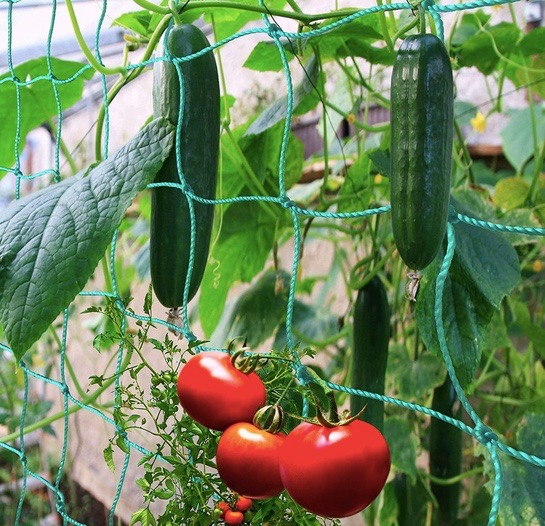
Expand your garden area by growing up, using trellis like this trellis netting.
One way to make the most of your limited space is to grow up rather than out. Invest in some trellising from your local hardware store and fasten them to the sides of your raised beds. Then train your climbing vines and even your tomatoes to grow up the sides of your garden by tying them to the sides of your trellis. That way you'll make the most of your limited space.
Organic Gardening Raised Beds
Need Lots of Care
Don't make the assumption that by planting your garden in raised beds you won't have to do as much work. Your garden will still need care as well as even more watering, weeding and nutrients. Because they are growing in a limited space, they will need more tending, not less. But organic gardening raised beds, are lovely and well worth the effort.


Recent Articles


-
What Does Electrotherapy Do?
Sep 08, 22 04:05 PM
 What does electrotherapy do? Look at it as a safer way to manage either temporary or chronic pain.
 -
Why Pine Needle Tea Is a Must Have in Your Preparedness Pantry
Sep 01, 22 06:02 PM
 Pine needle tea is a must have in your preparedness pantry. It's the best way to eliminate any harmful spike proteins you've been exposed to.
 -
Is Sourdough Gluten Free?
Aug 31, 22 02:55 PM
 Is sourdough gluten free? The short answer is no, if you have a several allergy to wheat or gluten, but it is more digestible.

New! Comments
Have your say about what you just read! Leave me a comment in the box below.